
The House of Ulysse Poncet

Rubis du Mozambique pour la haute-joaillerie

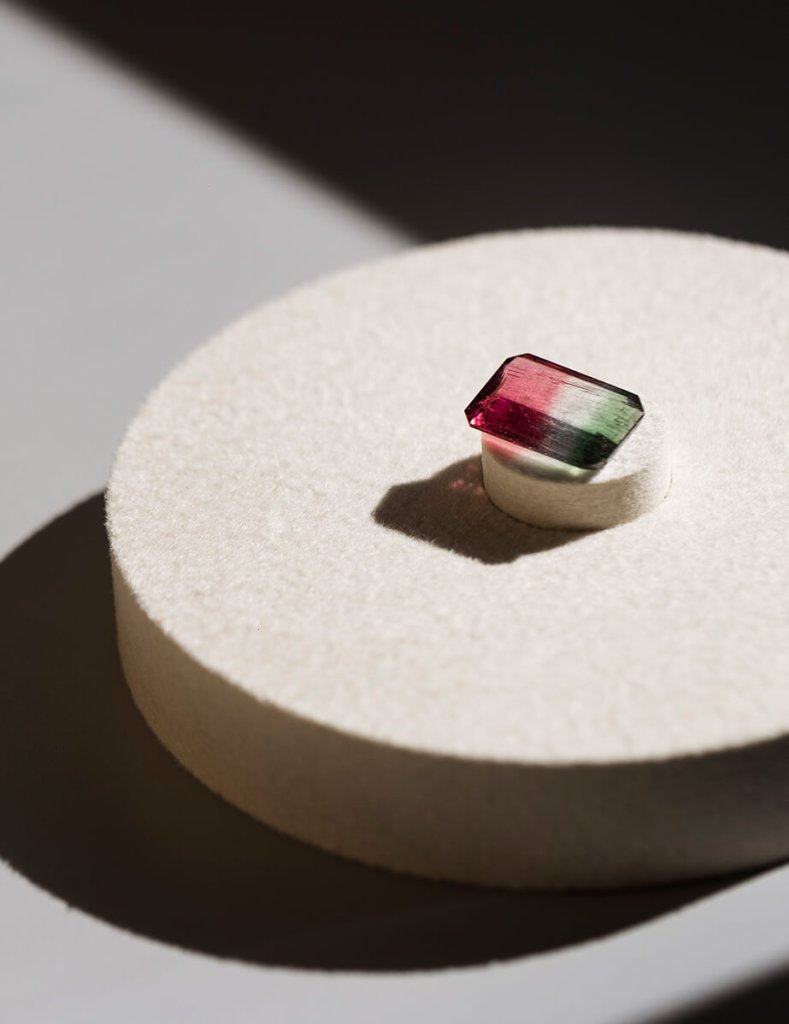
In 1926, Ulysse Poncet founded a house in the heart of the Jura for the trading and cutting of precious, fine, and hard stones. A century later, it still bears his name and carries on this singular craft with the same exacting standards.

A committed lapidary house

Les saphirs adaptés à la joaillerie de luxe

The House of Ulysse Poncet places responsibility at the heart of its model, inseparable from the quality of its stones. It is committed to a rigorous supply chain built on the traceability of stones and respect for human rights, working conditions, and the environment. This standard guides the selection of every one of our suppliers and partners, in France and abroad.

This commitment is recognized by two certifications: the Responsible Jewellery Council, the international standard for responsible practices across the jewelry industry, and Authorized Economic Operator status, granted by customs authorities, which attests to the reliability and compliance of our international operations.


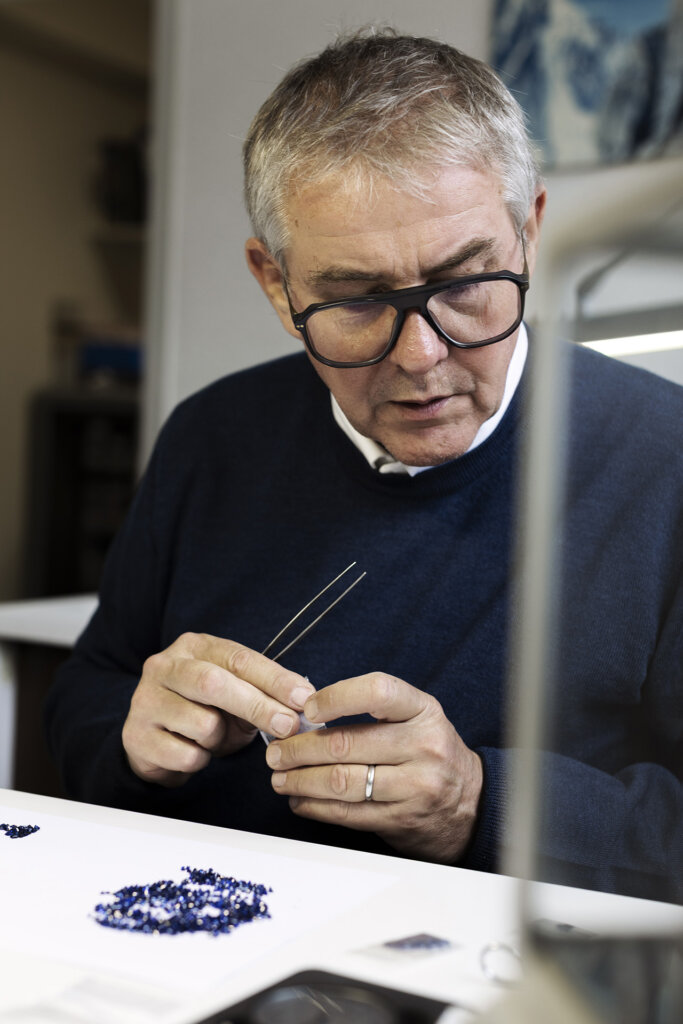
Jean-Louis Poncet, CEO de la Maison Ulysse Poncet

Portrait of Jean-Louis Poncet, CEO of Maison Ulysse Poncet by Evaine Merle

Over the course of a century, the House of Ulysse Poncet has evolved profoundly. The lapidary trade, which took shape in the Jura as early as 1914 around cooperative workshops, transformed over time to give rise to several local companies. The House of Ulysse Poncet supported this evolution by building partnerships around the world to access the finest raw materials.

Today, our ambition is clear: to keep this singular craft alive and thriving, to pass it on to a new generation, and to develop innovative industrial processes that diversify our offering and keep us a competitive and committed player.

Jean-Louis Poncet, CEO

Centuries of Jurassian history

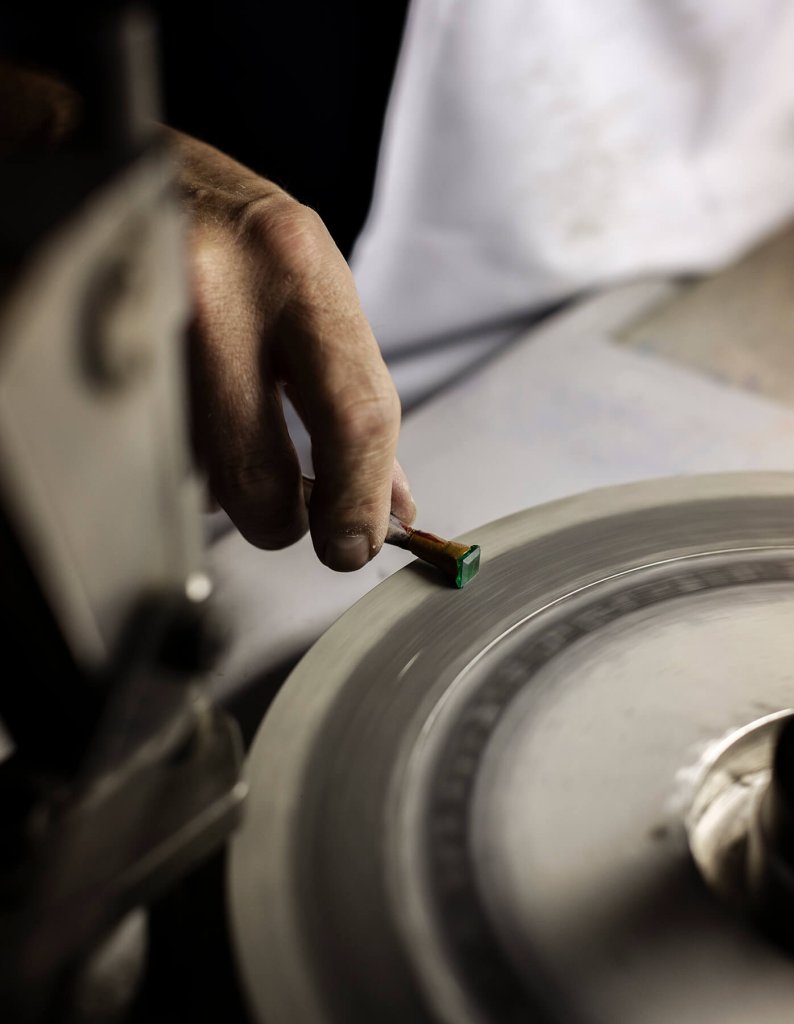
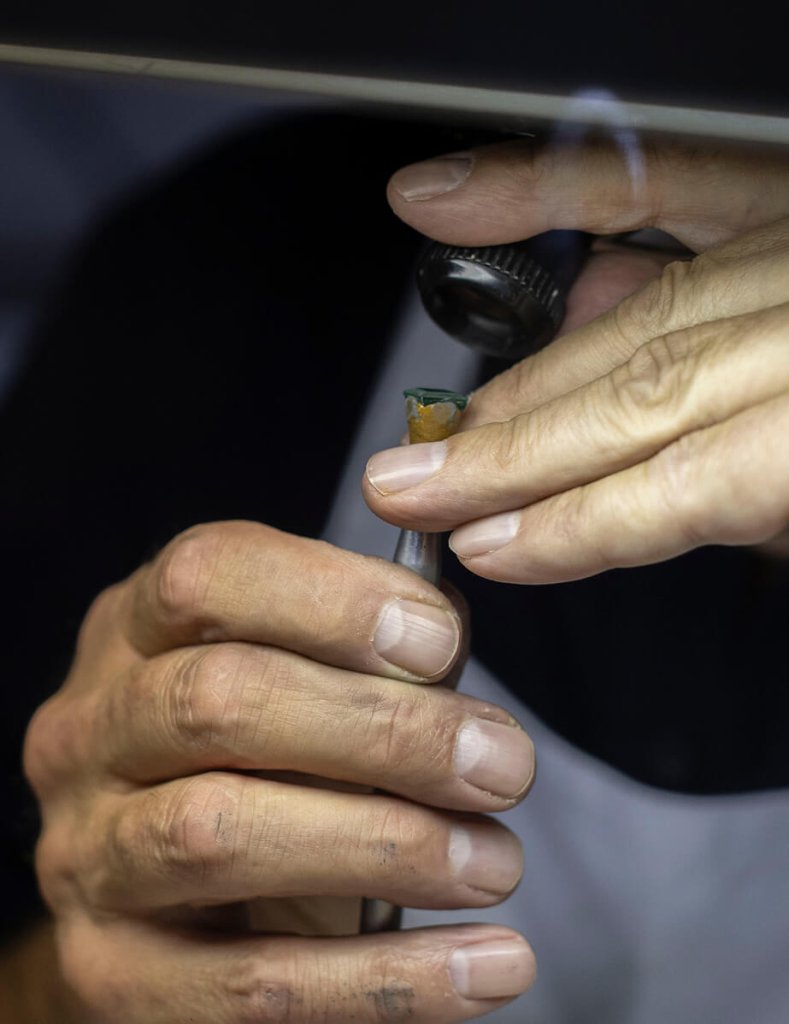
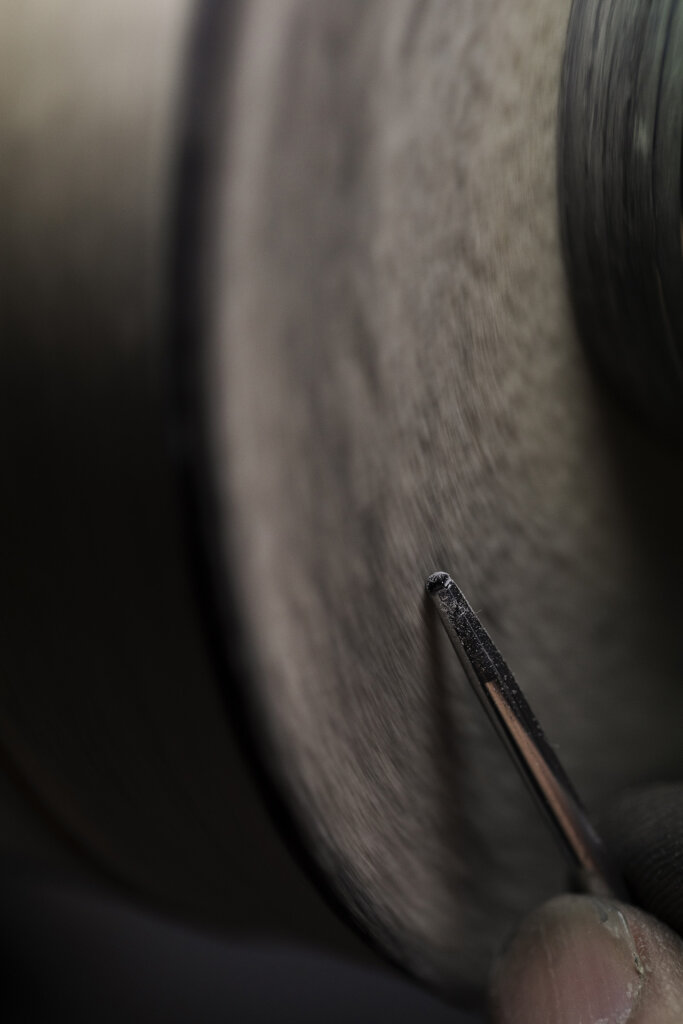
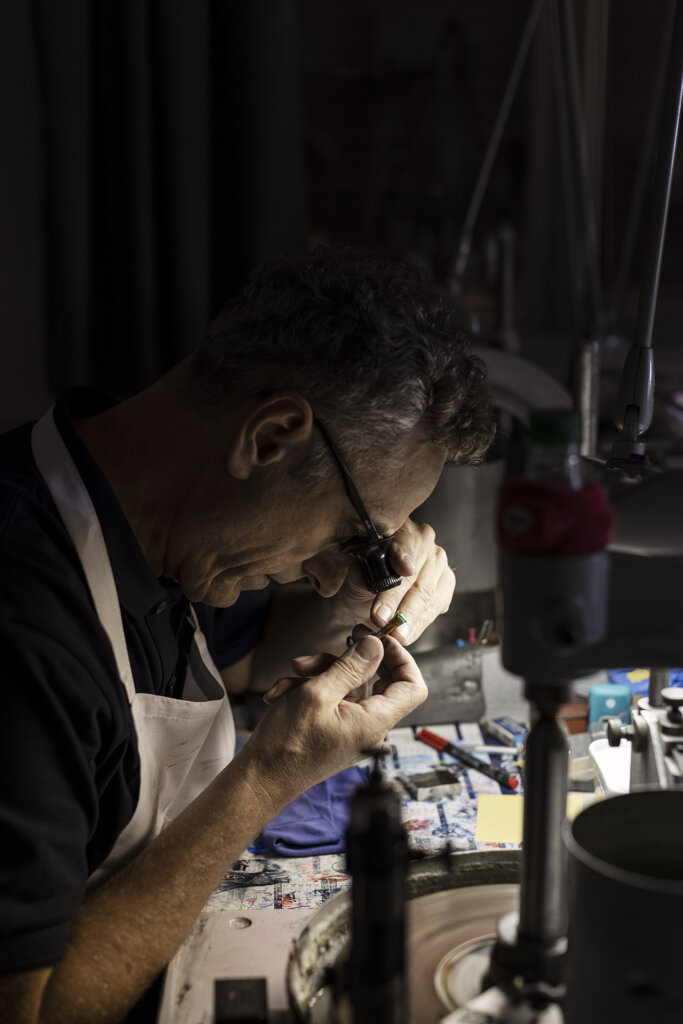
Taille d'une émeraude avec la méthode des lapidaires jurassiens

Born in the heart of the Jura, the House of Ulysse Poncet is rooted in a region where long winter seasons fostered the rise of precision home-based crafts as early as the 18th century—stone cutting among them.

In the Haut-Jura, the rise of the neighbouring watchmaking industry strengthened these trades, particularly around rubies used for watch components, while Saint-Claude established itself as a major French centre for gem cutting, driven by mechanised innovation and the hydraulic energy of the Bienne.

At the beginning of the 20th century, the industry became structured with cooperative initiatives, which fully took shape after the war and were formally established in 1919 within the Cooperative Workshops of Lapidaries of the Jura and Ain regions. It was within this ecosystem that Ulysse Poncet founded this company in 1926.

A generational
legacy

Founded by Ulysse Poncet, the House has grown by training generations of lapidaries, who have increased the excellence of French cutting over time, revealing several Meilleur Ouvriers de France (Best Craftsmen of France).

In the 1970s, it expanded its business into Thailand under the leadership of Raymond Poncet, the third-generation manager. He was among the first Europeans to travel to Bangkok to select and import stones destined, at the time, for the European market.

Jean-Louis Poncet, CEO de la Maison Ulysse Poncet

Jean-Louis Poncet

Raymond Poncet, figure emblématique de l'entreprise Ulysse Poncet

Raymond Poncet